
Belgium strike has caused extensive transport problems, with planes grounded and train, bus, and public transport affected.
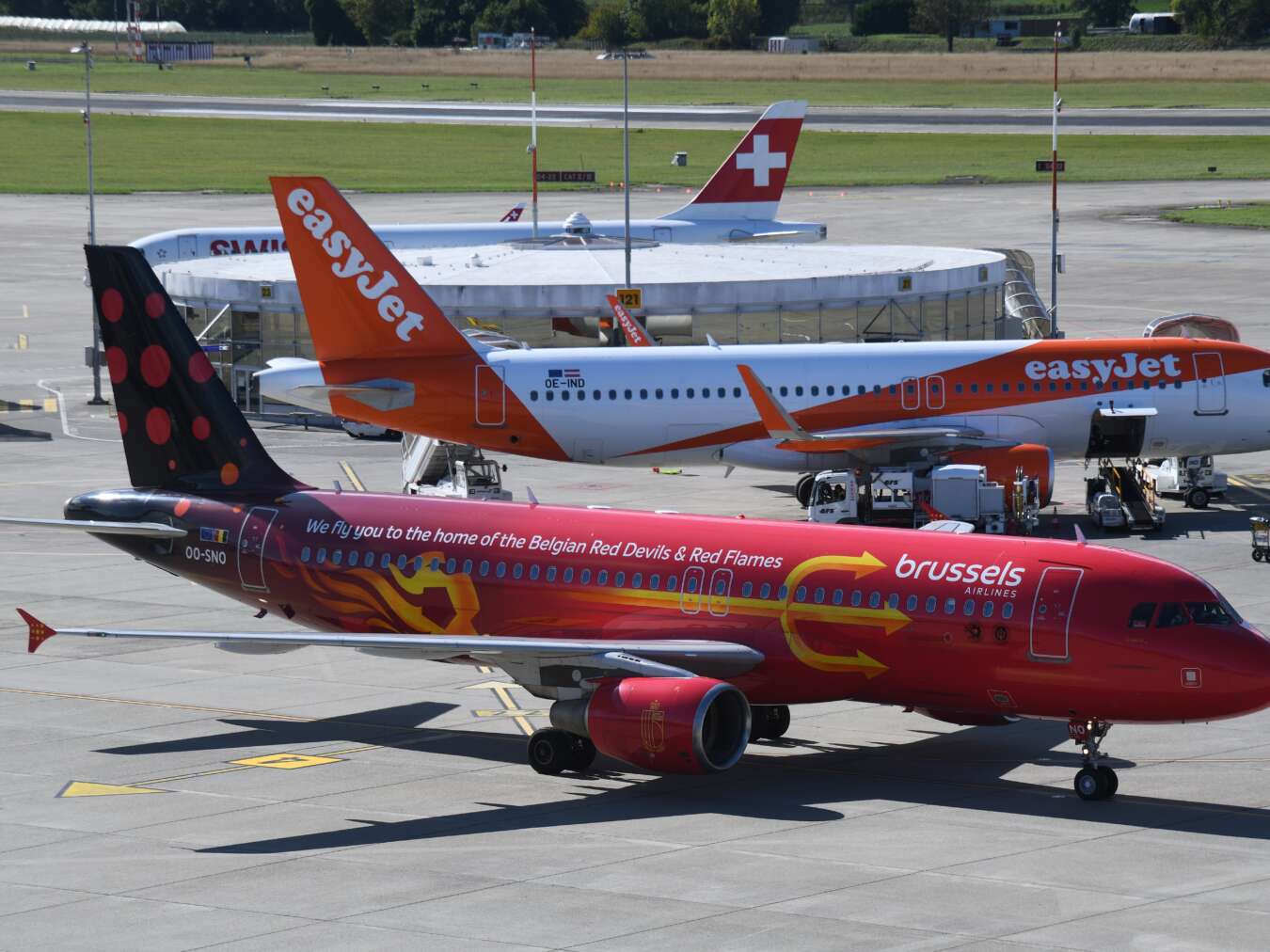
Brussels Airport said 404 flights were unable to operate on Nov. 23, affecting more than 50,000 passengers.
All arriving and departing flights at the airport were canceled between 7 a.m. and 9 p.m. local time after air traffic controller Skeyes said it was unable to provide regular services.
Charleroi airport, an important location for budget airlines such as Ryanair, also shut down. This is the 11th time in the last 11 months that Belgium’s airspace has been affected by a strike, the Board of Airline Representatives in Belgium noted.
The disruption extended well beyond airports. National rail services operated largely on schedule, though local bus and tram networks faced heavy reductions across the country and Brussels’ metro system ran on a severely limited timetable as protesters gathered for a major demonstration in the capital.
Schools, refuse collection, and other public services were also affected.
According to The Brussels Times, around 50,000 people marched in Brussels from Brussels-North toward Brussels-Midi, with isolated clashes where riot police used tear gas and water cannons and a vehicle was set on fire.
What is Belgium’s strike about?
Belgium’s nationwide strike comes as Prime Minister Bart De Wever struggles to secure his coalition’s agreement on a sweeping austerity budget, according to reports from BBC News and Al Jazeera.
In an attempt to reduce its spending by €10 billion ($10.9 billion) in future years, the government has suggested cutting state spending on healthcare, reforming pensions and social services, and introducing an increased value-added tax (VAT).
It has also recommended removing the option for banks to grant employees additional unpaid leave if public holidays fall at the weekend.
However, Belgium’s key trade unions (FGTB/ABVV, CSC/ACV, and SYNOVA) are highly critical of these proposals. They believe those who are already experiencing financial pressure due to increasing costs are being disproportionately impacted by the need to reduce the budget deficit, which has now risen above 5% of gross domestic product (GDP).
Instead of reducing social protections, union leaders and demonstrators are demanding increased taxation on high-income individuals. They are also advocating the introduction of a specific “super tax” on the wealthy and the closing of tax avoidance opportunities, The Brussels Times reports.
The deepening budget dispute also threatens the government’s survival. De Wever previously offered his resignation to King Philippe, who rejected it and gave him more time to reach an agreement.
Having once again failed to agree on a deal following further negotiations this week, De Wever has set a fresh deadline of Dec. 31 for an agreement.
His office has stated that should no budget consensus be achieved by the end of the year, the government will be “unable to govern” and so may effectively cease to exist.
Error: No feed found.
Please go to the Instagram Feed settings page to create a feed.
Error: No feed found.
Please go to the Instagram Feed settings page to create a feed.
Error: No feed found.
Please go to the Instagram Feed settings page to create a feed.