

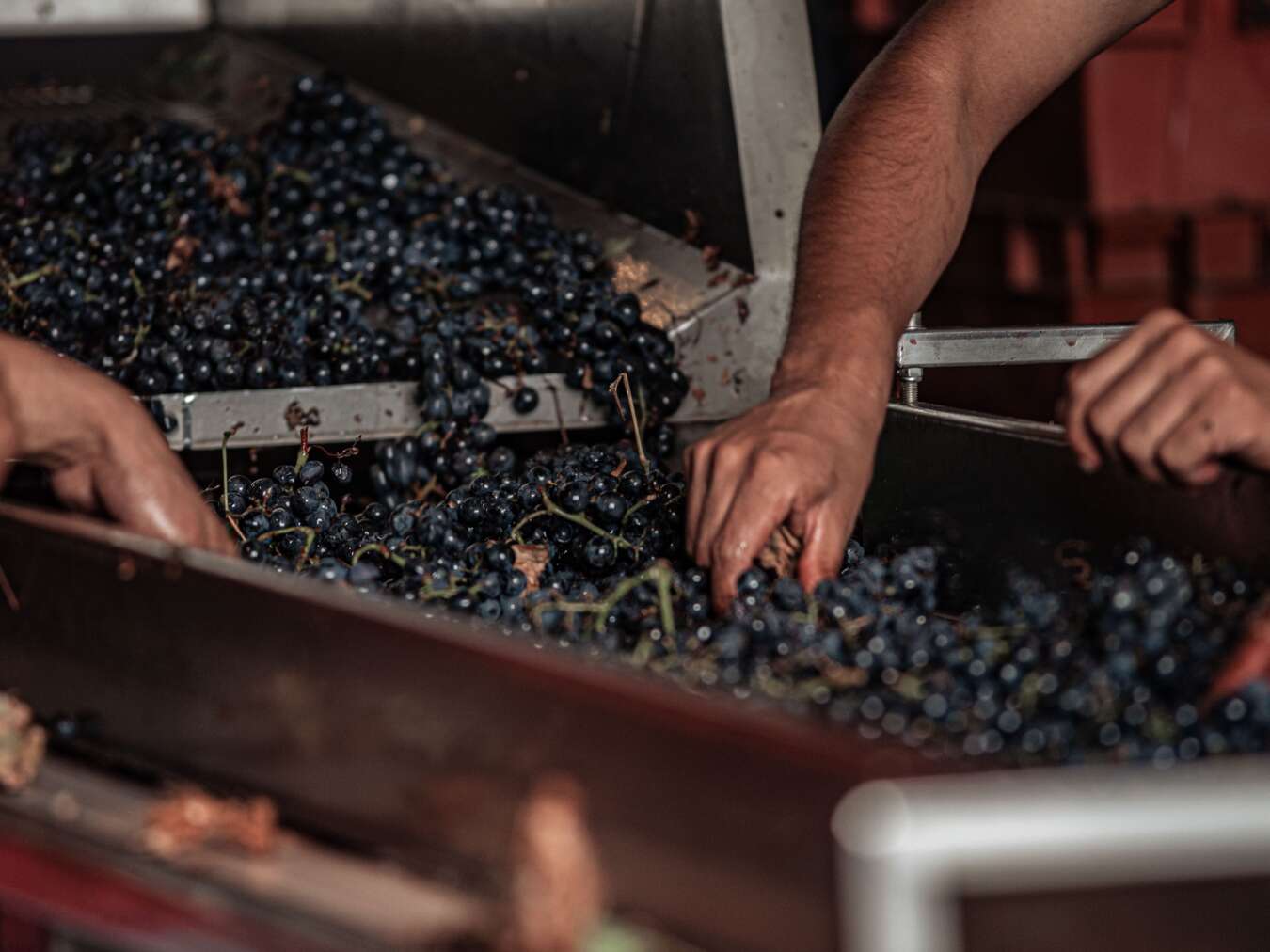
Long before the days of oak and stainless steel wine containers, people in the South Caucasus used large earthenware pots to ferment wine. In Georgia, that tradition, known as qvevri winemaking, dates back to roughly 6000 BCE, earning recognition on UNESCO’s Intangible Cultural Heritage List.
Although there are many commercial vineyards in Kakheti that attract tour groups, the true soul of this 8,000-year-old discipline continues to thrive in more remote, localized communities.
Below are four of these communities, where locals are still involved in the production, subterranean installation, and fermentation of earthenware.
1. Vardisubani (Kakheti)
Located just outside the eastern Georgian town of Telavi, Vardisubani is one of the few places in Georgia where people continue the hand-built qvevri craftsmanship. Using only their hands, expert potters form the distinctive oval, 3,000-liter containers by progressively layering heavy strands of local earth.
Once fired in huge brick ovens, they are then treated with liquid beeswax on the inner surface to waterproof them.
Visiting a family workshop in Vardisubani reveals the sheer physical labor required before a single grape is ever harvested.
2. Shrosha (Imereti)
Nestled along a serpentine mountain road in western Georgia, Shrosha is instantly recognisable for its roadside marketplace, brimming with terracotta jars, cooking pots, and amphorae.
Behind this thoroughfare are family-run ateliers, where generations work together to make churi, the western Georgian term for qvevri.
While Kakhetian winemakers allow their wine to ferment for extended periods with the full contents of the crushed grapes—including skins, seeds, and stalks—to yield intense golden wines, Imeretians generally allow less contact between the grape must and skins.
This results in a lighter, more vibrant wine, better adapted to the region’s cooler and more moist environment.
3. Atsana (Guria)
Deep within the verdant hills of western Georgia’s Guria area lies the peaceful village of Atsana, a further off-the-beaten-path earthenware hub.
Families in the village mine the nutrient-laden earth from the surrounding hills to mould churi specifically designed for Guria’s uncommon, high-acid indigenous grapes like Chkhaveri.
Because Guria sits near the humid Black Sea coast, villagers traditionally trained vines up into tall trees (maglari) and relied on buried clay pots to keep delicate harvests cool and stable through warm coastal autumns.
4. Velistsikhe (Kakheti)
Remote from the busy visitor areas of mountain-top Sighnaghi, the Alazani Valley village of Velistsikhe is a historic farming community. Characterized by stone and brick family wine cellars (marani), the village is kept cool by the earth beneath.
The upper sections of subterranean qvevris are level with the ground and resemble a series of stone manhole covers.
Travelers can observe family-owned, modest cellars such as the Vakho Oqruashvili Wine Cellar, as staff remove the earthenware stoppers and serve fresh, unpasteurized Rkatsiteli or Saperavi directly from the qvevris. Meals are often accompanied by home-made churchkhela sweets and bread.
Error: No feed found.
Please go to the Instagram Feed settings page to create a feed.
Error: No feed found.
Please go to the Instagram Feed settings page to create a feed.
Error: No feed found.
Please go to the Instagram Feed settings page to create a feed.