
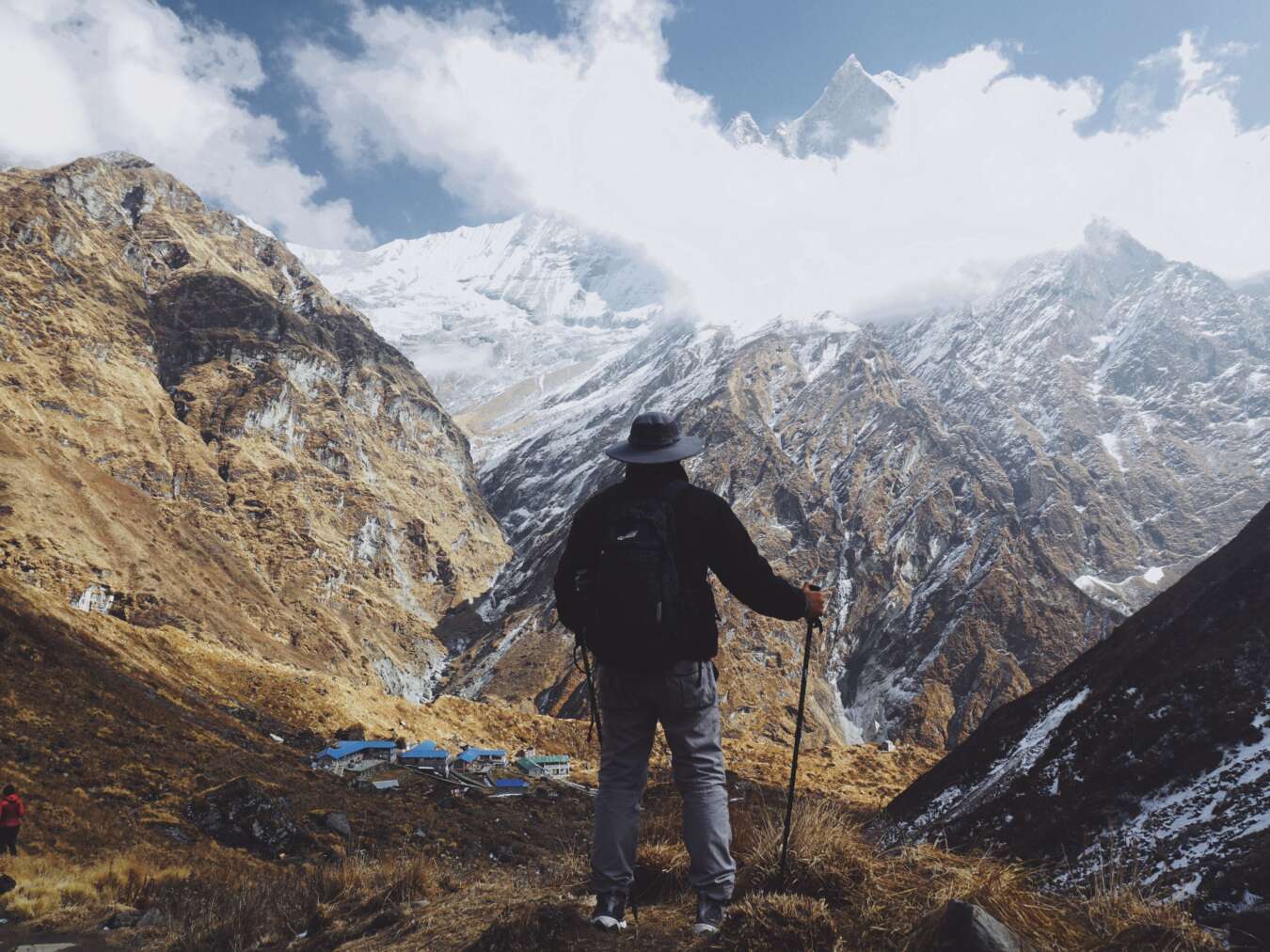
Trekking is always an exciting opportunity for outdoor adventurers, and the Himalayas are the biggest destination for enthusiasts. Every trail leads to snowy peaks or lush valleys, making for a diverse way to take in the beauty of nature.
However, any trekker will know it’s not all smooth sailing. There are safety rules in place for trails and for good reason. It’s easy for things to go wrong and for someone to suffer an emergency. With that in mind, these eight essential safety tips for first-timers can make all the difference.
Research and plan your trek
The first thing to do before departing on any trail is to properly research it. There are multiple things to note and study before going on a trek, including weather, altitude, and the actual terrain.
Making sure to get the permits required for the trek, knowing where the evacuation points are, and conducting research will help you become familiar with the route.
There are always guidebooks and experienced vloggers’ accounts available for perusal.
Ensure physical fitness
A trek can be very dangerous if it is undertaken without the proper fitness. It is a physically exhausting activity and needs stamina. Depending on the expertise of the trekker and the difficulty of the trek, working out regularly for three months before the trip can help people acclimatise.
The altitude is another factor that’s important to prepare for, as at higher altitudes, the strain increases.
The Himalayas have harsh terrain, and preparing by walking, running, cycling, and doing core workouts can go a long way to help.
Stay hydrated and eat
When walking for multiple hours, muscles can start to cramp. Having proper water intake and good food can help a great deal. Regularly drinking proper water amounts during preparation can also help prepare for the journey.
Carrying water, dried fruits, energy bars, and light snacks will help make the experience smoother.
Respect the Himalayas
When out in nature, it’s easy to get carried away. But while a trekker is enjoying the beauty of the Himalayas, it is also important to maintain cleanliness. Travelers need to minimize any waste and carry rubbish with them so that it is not dumped into nature. Throwing plastics and other waste products on the mountain is never acceptable.
It’s important to protect the region’s sanctity.
Stay on your mark
When trekking an unfamiliar route, it’s best to always walk on the marked route by the trek leader.
Straying away can not only lead to accidents, but trekkers can also get lost on the mountainside.
Learn first-aid
Not all travelers have to be expert doctors. But when trekking, it’s important to be familiar with the basics of first aid. Anyone can suffer minor issues like blisters, sprains, and cuts.
Being able to deal with those can help make the trek easier. Learning basic medical first-aid techniques is a must.
Beware of the weather
In the Himalayas, weather can change at a moment’s notice. It’s impossible to predict what the weather will be throughout the duration of the trek.
The easiest way to deal with this is to pack all essentials for the different weather conditions. Once again, before leaving, planning and preparing for cold or harsh weather can save a life while trekking in the mountains.
But most importantly, if the weather gets worse, it’s absolutely fine to turn back. It’s better than being stuck and put in a situation where rescue becomes necessary.
Communications
Potentially the most important thing to prepare for is communication. While trekking in the Himalayas, satellite phones are the only option. It’s best to take rentals with prepaid minutes, as they are inexpensive.
Satellite phones can also help track the weather, a system the Himalayas are known for. Emergency locators can also help, but having a good satellite phone can save a life.
Error: No feed found.
Please go to the Instagram Feed settings page to create a feed.
Error: No feed found.
Please go to the Instagram Feed settings page to create a feed.
Error: No feed found.
Please go to the Instagram Feed settings page to create a feed.