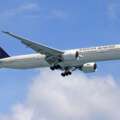
Australian airline Qantas plans to eliminate about 850 positions from mid-2027 as part of a restructuring involving the transfer of some corporate functions to India and greater reliance on artificial intelligence.
The country’s largest airline has signed an agreement with consulting firm Accenture to overhaul its back-end systems.
Qantas said some roles would be taken over by teams in India, although it did not specify how many positions would be affected by the move.
Chief Executive Vanessa Hudson acknowledged the impact on employees, saying the decision did not reflect their contributions or commitment to the airline.
“We know this will be difficult news for some of our people, and this decision is not a reflection of their contribution or commitment.”
She also pointed to the rapid development of artificial intelligence as a major factor behind the restructuring, describing the pace of technological change as unprecedented.
“Leading organizations around the world are well progressed in using technology and AI to completely transform how they work, and standing still is not an option for us.”
The job cuts come as Qantas prepares for a major overhaul of its aircraft fleet. The airline has described the program as the largest fleet renewal in its history, with new aircraft deliveries expected to support the replacement of older planes.
Qantas Group added 17 aircraft during the previous financial year and expects up to 31 more to arrive in the following year, according to financial results released earlier this year.
The fleet expansion will also pave the way for the retirement of the airline’s Airbus A380 double-decker aircraft, a process expected to begin in 2028.
The restructuring reflects two major changes underway at Qantas, as it updates its technology infrastructure while investing in newer aircraft.
What happens to the 850 Qantas employees affected by the job cuts?
Meanwhile, Qantas said employees affected by the restructuring would be considered for redeployment where possible, including opportunities in Australia. The airline is also consulting unions and employees about the changes.
Hudson said the airline spends more than AU$1 billion (US$691 million) annually on technology but relies on more than 1,000 legacy applications developed over several decades.
The Accenture agreement is intended to simplify its corporate operations, reduce duplicated work and modernise its IT infrastructure.
“Like every airline, we run on technology built up over decades for a different era, including more than 1,000 legacy applications that were never designed to work together.”
The work transferred to Accenture is expected to undergo further changes through automation and AI over time. Qantas said thousands of its employees already use AI in their daily tasks.
The announcement follows a recent market update in which the airline flagged higher fares and flight reductions in response to rising fuel costs.
Qantas employs about 28,000 people in Australia and another 4,000 overseas.
Also Read: Qatar Airways teams up with ‘Lion King’ composer Hans Zimmer for onboard music
Also Read: Airlines expand premium cabins as coach class faces shrinking share