
Many travelers around the world prefer visiting high-tech towns and enjoy new-age recreational activities, and many countries focus on enhancing their amenities to keep up with the times, with high-end resorts, malls, and more.
However, many people still love to see century-old crafts and traditions; while modern cities continue to evolve, several historic towns worldwide have preserved their centuries-old traditions, craftsmanship, and cultural identities.
From Moroccan pottery to Japanese silk, these destinations offer visitors a chance to explore traditional skills passed down through the generations. In this listicle, we take a look at five historic towns where centuries-old crafts and traditions still thrive daily:
#1. Japan
Kanazawa, Japan, is best known for traditional Japanese craftsmanship, particularly gold leaf production, Kaga-yuzen silk dyeing, and lacquerware. It is influenced by Japanese culture. The city’s artisans continue producing handmade goods using the country’s developed techniques. In 2009, it was recognized as a UNESCO Creative City of Crafts and Folk Art. Japan’s Kanazawa remains an important place to showcase traditional art.
#2. Morocco
Another major destination that has long preserved traditional craftsmanship is Morocco. Morocco’s coastal city of Safi has maintained its pottery-making tradition for centuries. Its famous Potters Hill and Potters Village feature workshops where artisans continue shaping, glazing, and firing ceramics. According to a UNESCO report, Safi’s pottery industry supports more than 200 workshops and employs nearly 1,500 to 2,000 people.
#3. Vietnam
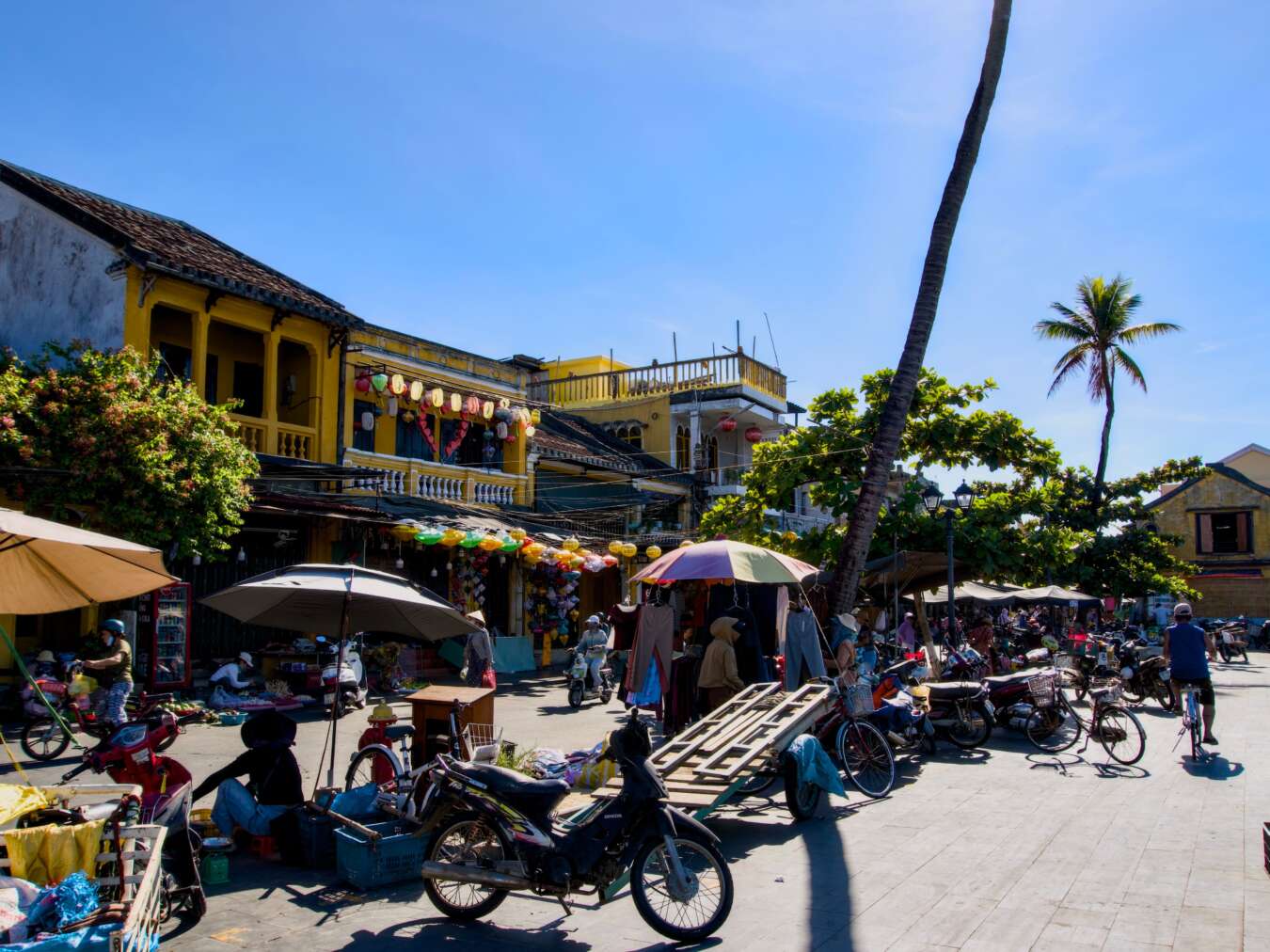
Hoi An is a Vietnamese city best known for its preserved port trading from the 15th to the 19th centuries. Its traditional streets, historic buildings, and cultural customs reflect centuries of interaction between international merchants and the Vietnamese.
#4. Philippines
Vigan City in the Philippines was established during the 16th century and is among Asia’s best-preserved Spanish colonial towns. Its iconic historic streets and architecture reflect a blend of Filipino, Chinese, and European influences. UNESCO has listed the destination because it offers an opportunity to experience a distinctive cultural landscape shaped by centuries of international trade.
#5. Peru
Peru’s Cusco is located in the Peruvian Andes and preserves important elements of its Inca Heritage. Under the Inca ruler Pachacutec, the destination developed areas for artisanal, agricultural, and industrial production. Its historic urban layout and Inca structures reflect a combination of indigenous and Spanish colonial influences.
Share your thoughts in the comments below, and stay tuned to Travel to Recovery for more topics like this.
ALSO READ: Metro-North and LIRR holiday lights trains 2026: Dates, routes, and how to track them
Error: No feed found.
Please go to the Instagram Feed settings page to create a feed.
Error: No feed found.
Please go to the Instagram Feed settings page to create a feed.
Error: No feed found.
Please go to the Instagram Feed settings page to create a feed.