
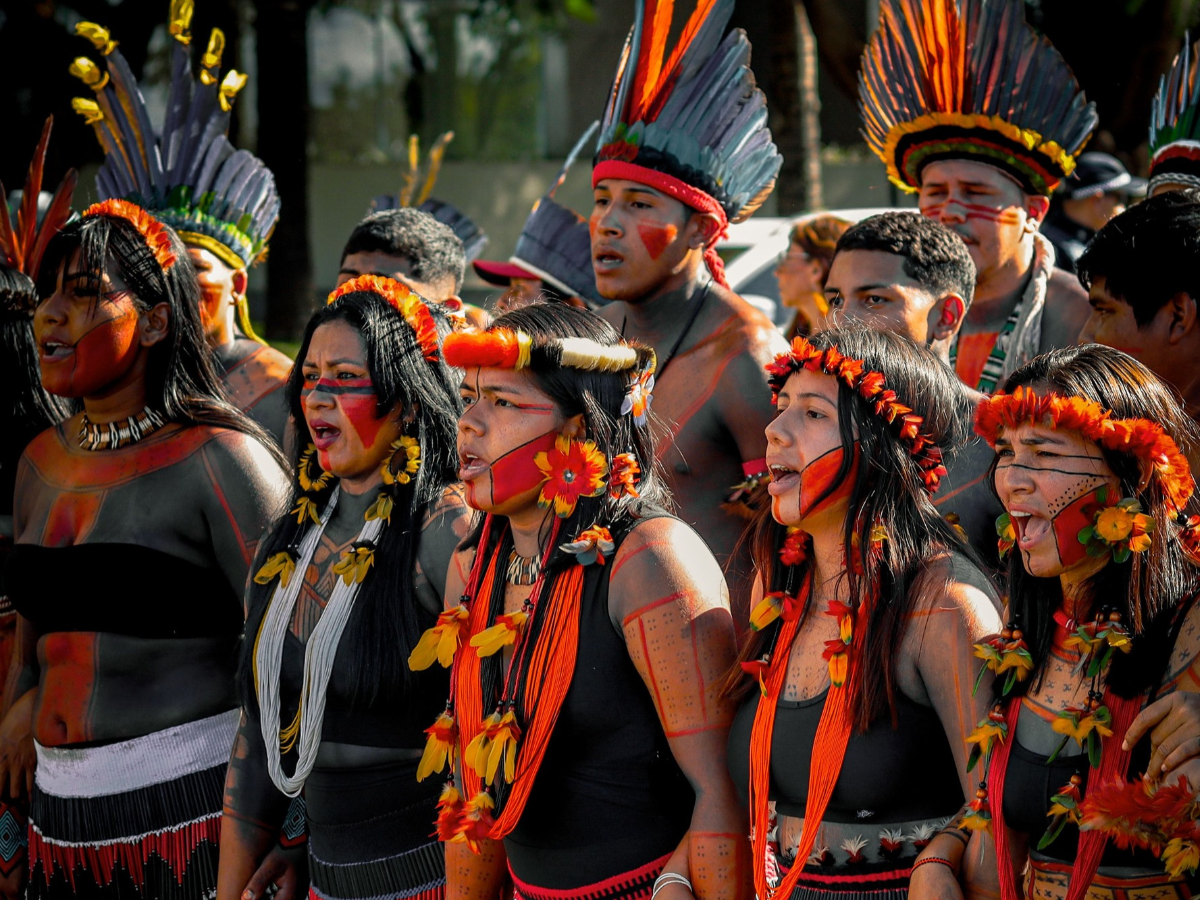
The Yap Yè Iswà Festival (pronounced Yap-yay-iss-wah), also known as the “Day of the Catawba,” will be returning to Rock Hill on November 21, 2026.
It is an annual celebration hosted traditionally by the Catawba Nation, a federally recognized Native American tribe in South Carolina. It will be held from 10 a.m. to 4 p.m. at Catawba Cultural Center, 1536 Tom Steven Road, Rock Hill, South Carolina. This is a free event, and everyone is invited to learn about the cultural significance of the Catawba people, who have lived in the Carolinas for more than 6,000 years.
Yap Yè Iswà festival celebrates the history, art, language, and living traditions of the Catawba people. The word Ye Iswą stands for “People of the River”, as the Catawba Nation is located along the Catawba River in Rock Hill, South Carolina.
According to American Trails, there are roughly 3,300 enrolled citizens in the Catawba Nation. The nation is spread across 700 acres in eastern York County.
More about the Yap Yè Iswà Festival celebrated by the members of the Catawba Nation
The Yap Yè Iswà Festival is celebrated each year by the Catawba Indian Nation on the Saturday before Thanksgiving at the Catawba Cultural Center in Rock Hill, South Carolina. Out of the 573 federally recognized tribes in the U.S., the Catawba Nation is the only tribe located in South Carolina.
It features traditional festivities like drumming and dancing, storytelling, and cultural demonstrations. Catawba artisans display their crafts through pottery, basketry, beadwork, and ribbon skirts, among other crafts. The festival will also include food for purchase and kids’ activities, where interested children could participate to celebrate Catawba Nation’s history and culture.
Catawba citizen Caitlin Rogers told The Post and Courier that her children are there to celebrate the festival every year, “whether they want to be or not.”
Her daughter participates in a pottery apprenticeship with the Georgia Harris Foundation and the language revitalization program. And Rogers’ son is a dancer. Beyond other festivals, there is also a guided nature trail walk, a bird release and a blowgun competition.
Rogers added:
“We’re a growing culture, a changing culture, we have to evolve with the times. It’s nice to remind people that we have a history, a long history.”
Also, many speakers participate in the Yap Yè Iswà Festival to share about the Catawba history. Topics are distributed throughout the day of the festival, starting from 11 a.m. till 2 p.m.
These topics include Passing the Clay: Growing the Next Generation of Catawba Potters, featuring Blue Heron Clay; Archaeological Insights into the Craft and Trade of Catawba Pottery in the Eighteenth Century, featuring Mary Elizabeth Fitts, Beth Bollwerk, Lindsay Bloch, Karen Smith, Brandi MacDonald, and the UNC-Chapel Hill Research Labs of Archaeology.
Other topics are: The Catawba peace pipe, featuring Christopher Judge, South Carolina State archaeologist, and Our Name is High: Catawba in the American Revolution, featuring Zachary Lemhouse, director of the Southern Revolutionary War Institute, Culture & Heritage Museums of York County.
This year, the Yap Yè Iswà festival will give a first look at a village called The Catawba Life Village, funded by a grant from South Carolina 250. It is the official statewide commemoration of the 250th anniversary of the American Revolution. The village will pay tribute to the nation’s history, with live actors performing. One will be able to visit the village from noon to 2 p.m. on the day of the festival.
Kassidy Plyler, Catawba cultural programs coordinator, said that the Catawba Life Village will include some activities that will let you witness “a day in the village in the life of the Catawba.”
Attendees must note that off-site parking and shuttle service will be available from the Church of Jesus Christ of Latter-day Saints building at 1989 Reservation Road and on Avenue of the Nations. Visitors are requested to follow all signage for parking information. Also, photography is prohibited during certain traditional dances.
The event serves both as a cultural gathering for the Catawba Nation and as an invitation for the wider community to experience and learn about Catawba traditions firsthand.
Error: No feed found.
Please go to the Instagram Feed settings page to create a feed.
Error: No feed found.
Please go to the Instagram Feed settings page to create a feed.
Error: No feed found.
Please go to the Instagram Feed settings page to create a feed.