

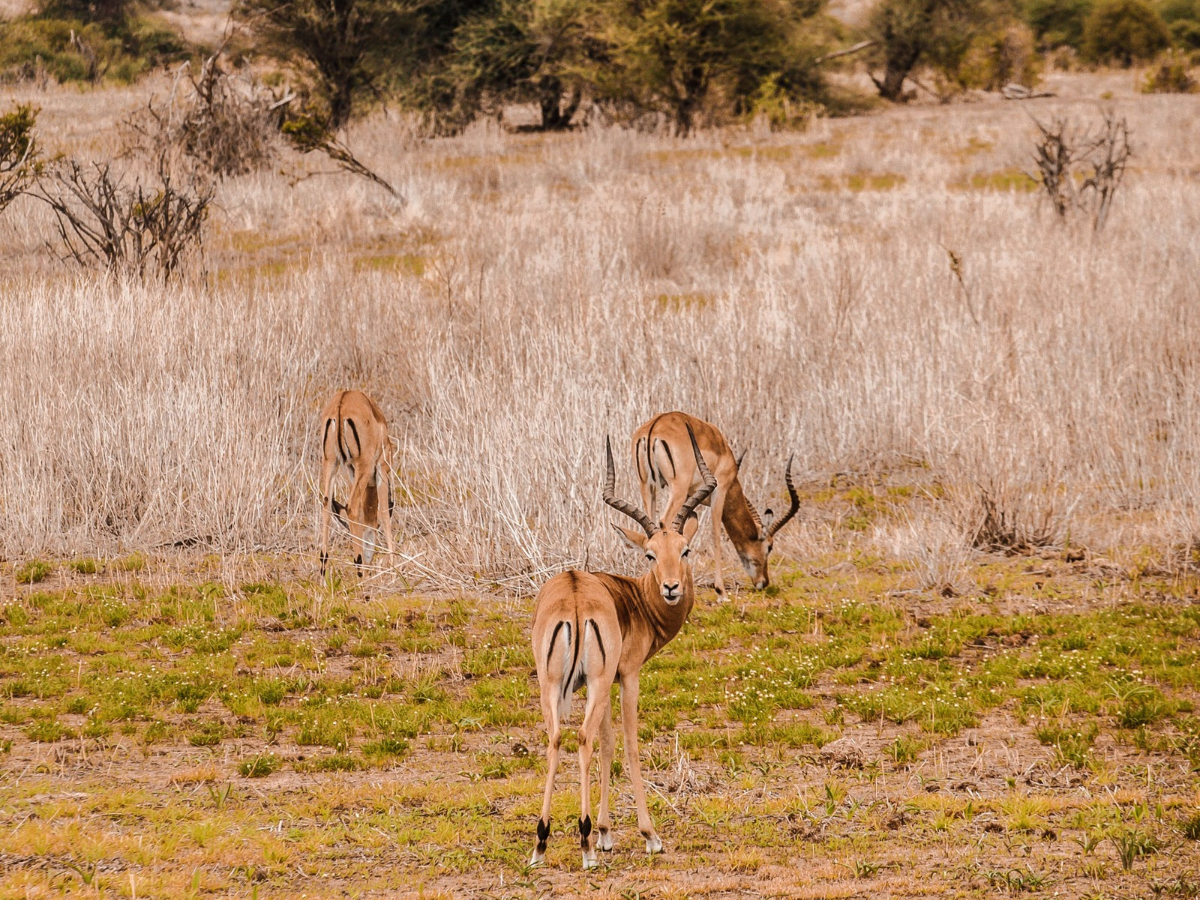
Embarking on a safari, be it in Africa, Brazil, Sri Lanka, or India, is an adventure of a lifetime that travelers don’t want to miss.
But did you know that witnessing wildlife in its natural habitat comes with serious responsibilities to stay safe? Unlike a zoo, a safari puts you in the wilderness where you face elephants, tigers, lions, and rhinos on their terms. Sometimes the thrill of seeing these animals face-to-face could turn into a dangerous encounter.
Whether you are tracking leopards in the Masai Mara region, walking through the bush in Zambia, or resting in scenic tented camps in Zimbabwe or Namibia, safety comes first before planning your next adventure.
Wild animals can become provoked or feel threatened by certain human behaviors, such as sudden movements, loud noises, or getting too close, per The Ridges Sanctuary. Understanding basic rules of safari as a traveler is a must to be in a safe environment.
Essential tips to follow on a safari for a secure wildlife trip
Travelers often describe safaris as once-in-a-lifetime adventures. Though one can watch animals like lions, leopards, giraffes and zebras in a zoo, it cannot replicate the feel of watching them roam freely in their natural environment.
A safari is a kind of mental detox, where the anticipation of not knowing which animal you might spot builds excitement. Though wild animals on safari generally do not attack humans who stay inside their vehicles, they might if people step outside, provoke the animals, or ignore safety rules.
Hence, we have come up with basic safety measures or tips every traveler needs to adhere to before planning their safari.
Stay inside the vehicle
Remain seated when on a game-drive safari and refrain from feeding the animals. A game-drive safari is a self-driven or a guided safari experience conducted in a specialized 4×4 vehicle across national parks and game reserves. It is best to stay in your vehicle unless your guide allows you to step out, per World Nomads.
Keep your hands/arms and gear inside
In case you spot a wild animal and suddenly take out your camera to capture it, you can unknowingly put yourself at risk. This sudden gesture might startle the animal, and it could attack you in defense. So, follow the rules and keep your limbs as well as all the gear, like mobile phones and cameras, inside the safari vehicle.
Walking Safaris
Walking safaris are higher risk because people are no longer inside a vehicle but on foot. Walking safaris require armed and highly trained staff and strategic route planning to keep visitors safe. Walk behind your guide or scout and never run, as it can trigger predators’ instinct to chase. Stay quiet and avoid stepping on branches so you don’t startle animals. Follow the actions of your guide. If they step back or change direction, obey immediately. Stay close to your group and do not wander alone.
Wear earthy tones
When on safari, follow the theme of your natural surroundings by wearing warm, earthy tones like khaki, beige, olive, or grey. Such colors will help you to blend in with the bush. Avoid harsh colors like red, blue or black, which attract insects. Wear long sleeves to protect against sharp acacia thorns and biting insects.
Wear sturdy shoes
For an African or wildlife safari, wear closed-toe boots and thick socks to protect against thorns, scorpions, and uneven terrain. It is not recommended to wear sandals or walk barefoot.
Avoid shouting or talking loudly
In order to spot a zebra or a rhino on a safari, one must remain silent. Just in case you encounter them or any other wild animal, do not shout and make unfamiliar noises. Such gestures might scare them, and they might retreat to secluded areas where you can’t see them anymore. Or worse, they might charge at you if they feel threatened.
Shut your tents tightly
While staying in tents on a safari, zip them tightly when you are inside and whenever you step out to keep insects and wildlife from wandering in. Store snacks, candy, gum, toothpaste, lotion, and perfumes away from your sleeping area. If you hear an animal’s grunt near your tent, do not flash bright lights or step out of your tent to investigate.
Staying safe on a wildlife safari is entirely about respecting the environment and the animals that call it home. These safety tips do not only protect humans but also stand as a safety measure for the wildlife around you. Therefore, before setting out on your next adventure, remember that you are a guest in their natural habitat. These rules will help you to enjoy your safari trip, making it an unforgettable journey.
Error: No feed found.
Please go to the Instagram Feed settings page to create a feed.
Error: No feed found.
Please go to the Instagram Feed settings page to create a feed.
Error: No feed found.
Please go to the Instagram Feed settings page to create a feed.